
From the womb to the world: healing from caesarean
Caesarean surgery(C-section) is major abdominal surgery in order to have a baby. Physically and mentally, you will need time to heal. Taking care of yourself over the next year is very important and will affect your future health and any future pregnancy’s. Here are a few tips to help you through the recovery process.
Rest is very important in the recovery period. A caesarean is major surgery, and it will hurt afterwards. You may feel you can't do anything on your own. Everyone will feel different levels of pain and discomfort. Even small movements, such as shifting up the bed, may require something or someone to hold on to. It may hurt to cough or laugh. Supporting your wound with your hands, or holding a pillow over your tummy, will help.
Rest is crucial for healing and repairing muscles and tissues. This can be very challenging with a newborn. Resting skin to skin with baby will help both of you recover.
Have your family and friends help you in the first few weeks as you are healing especially with light housework, don’t be embarrassed to ask for help.
Massage. A caesarean section cuts through seven layers of tissue—including skin, fat, fascia, and muscle. As they heal, these layers can stick together, causing tightness, restricted movement, or nerve numbness.
Fascial massage (scar tissue mobilization) prevents internal adhesions, flattens the "C-section shelf," and reduces chronic pelvic or lower back pain by retraining tissue layers to glide freely.
You can begin light, indirect massage 2-4 weeks post-surgery, with direct scar tissue mobilization starting around 6-8 weeks. The aim is to start gently as soon as the wound is fully healed before the adhesions harden and become less responsive to the massage as opposed to waiting months/years.
Massage also has the benefit of being soothing, encourages blood flow and lymph drainage away from the site of healing.
Core reconnection through focused breathing and diaphragmatic breathing. Activating the TVA(Transverse Abdominis) muscles will help you as you recover from pregnancy and birth and help heal your body. Pilates movements can support core and pelvic floor recovery. Find a studio near you that can help you learn techniques to practice as you recover.
Nutrition has a huge role to play in healing and consuming a diet that’s high in anti-inflammatory ingredients will benefit post birth healing. The inflammatory response is a natural part of healing/fighting disease so a diet high in anti-inflammatory foods will truly help to support the healing process.
Herbs can be a big help while healing. St. John’s Wort can be used as a natural treatment for depression, but this herbal remedy is also recommended for aid in healing nerve damage. Lingering nerve damage in the c-section incision area is one of the most annoying long-term effects for many women who have given birth via Cesarean section, and this may help alleviate those issues for some. Gently rubbing lavender oil essential oil with a carrier oil such as jojoba will help to alleviate the itching and pain that may occur as the incision heals. Frankincense essential oil is also recommended for scar care.
Whether a caesarean birth was planned or an emergency it can have an effect on you emotionally. You may feel upset and disappointed that you didn’t give birth the way you hoped, or you may feel happy that things went how you planned. Processing your feelings about your cesarean birth with your spouse, trusted friends, or a mental health professional is just as important as caring for your incision in the weeks and months that follow.
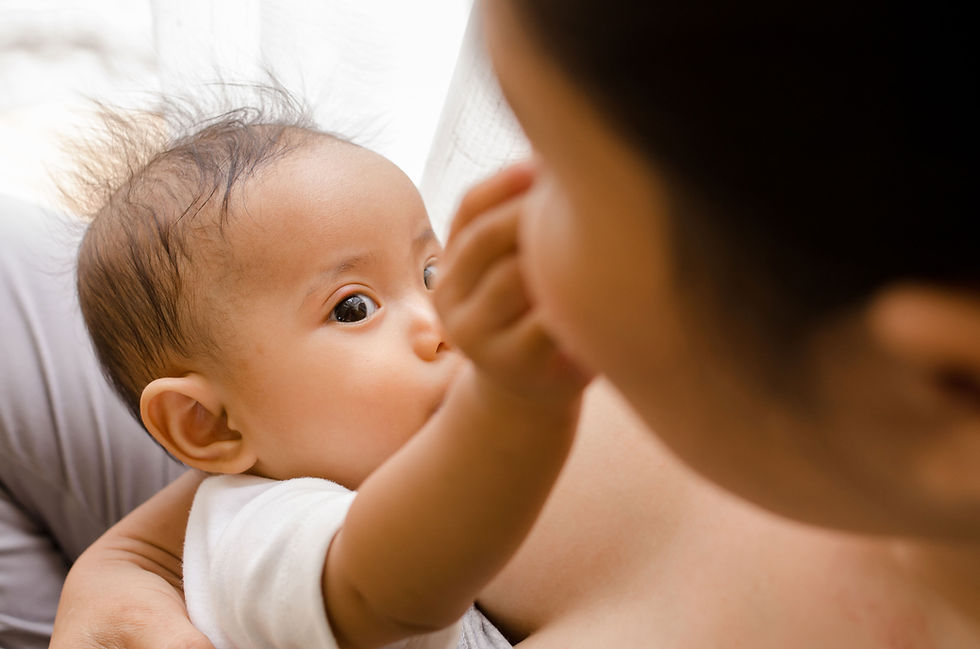
Most importantly, remember that everything you have gone through baby has to. Take time to reconnect with your baby by talking, massaging and being skin to skin with them. You may find breastfeeding is a challenge, reach out for breastfeeding support as soon as possible.
While it may seem to take a long time, you have to believe that you will heal and will regain your strength. Healing does take time, but you will get back to normal at some point. Your journey is unique, don’t compare your recovery or your abilities to anyone else’s, we’re often stuck in the trap of comparing what’s going on for us ‘inside’ with what is presented by others ‘outside’! You need to have patience and faith in the healing process as well as a good dose of self-compassion. It is important to commit to the healing process and to nurture yourselves back to health.


Comments